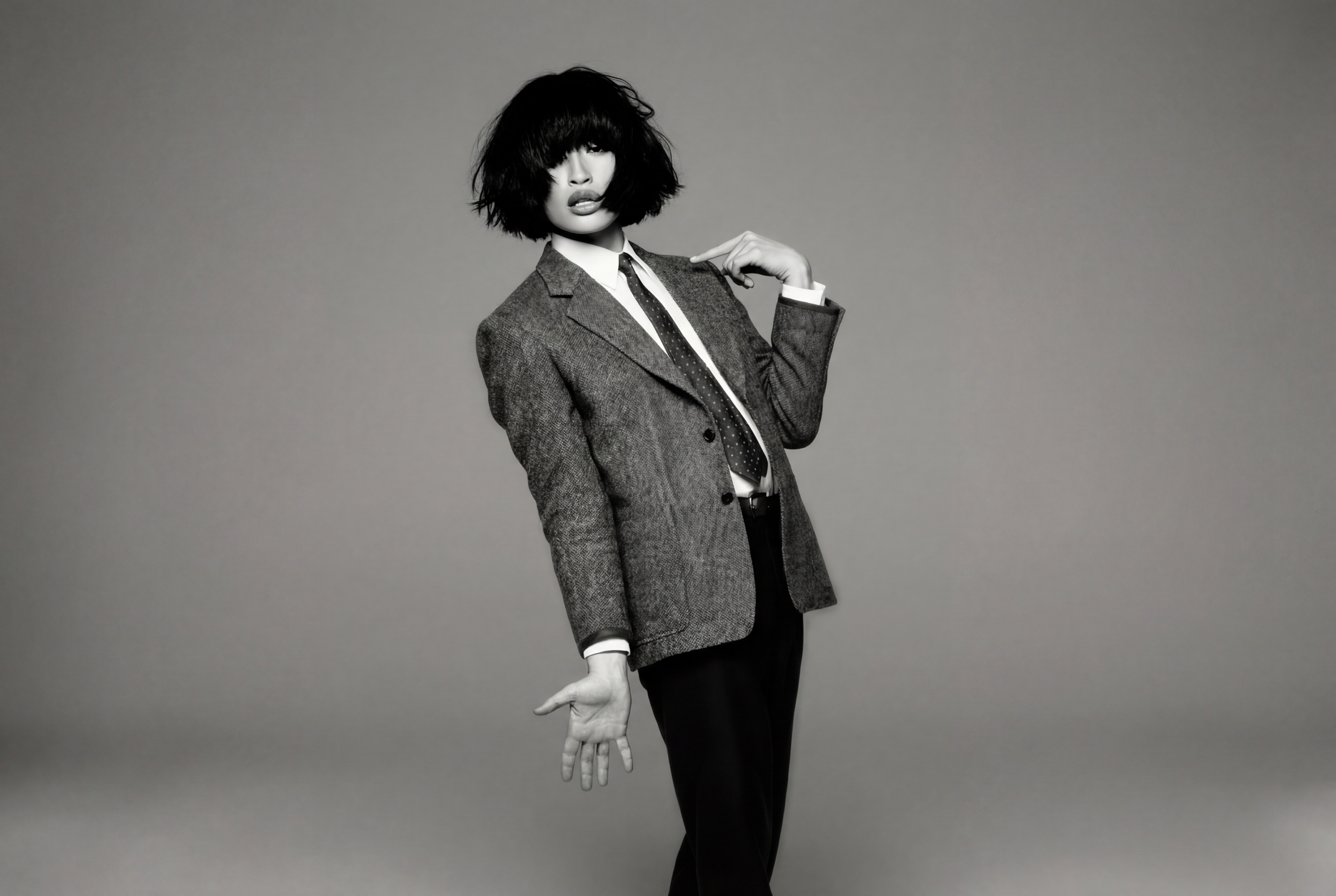
Imperfection as a Creative Advantage in AI Visuals
The Problem with “Fixing” Images
Most people treat imperfection as a technical problem.
Something to clean up.
Something to fix.
Something to remove once the image is “ready.”
That instinct is exactly what makes so many AI visuals collapse.
Imperfection is not a flaw in an image.
It’s a signal of authorship.
Why Imperfection Signals Authorship
Long before AI, visual culture already knew this.
The images that stayed weren’t the most correct ones.
They were the ones that felt risky, unresolved, slightly uncomfortable.
The ones where you could sense a decision had been made — and defended.
What AI Removes by Default
AI breaks this dynamic because it is extremely good at removing tension.
It averages.
It smooths.
It resolves.
And unless someone actively resists that tendency, the image drifts toward visual neutrality.
What people call “imperfection” in AI is often just the absence of direction.
Random errors.
Broken anatomy.
Accidental artifacts.
That’s not what matters here.
Why Perfection Closes Images
It’s the frame that refuses balance.
The light that favors one side and abandons the other.
The texture that stays rough instead of being polished into nothing.
The pose that doesn’t sell anything.
These choices don’t happen by default.
They require judgment.
They require someone to decide what the image is willing to lose.
AI does not resist.
It complies.
So if no one intervenes, the image becomes polite.
Clean.
Finished.
And empty.
Closing
Direction is the act of stopping that process.
It’s choosing what stays unresolved.
What remains uncomfortable.
What refuses to be corrected.
In fashion, editorial, and brand imagery, imperfection is not noise.
It’s hierarchy.
Perfection closes an image.
Direction keeps it open.


